Cost-Effectiveness Analysis
QALYs and ICERs
Research/educational use only. No patient data. Not for clinical decision-making.
- 01Select
- 02Stage & risk
- 03Plan & dose
- 04Predict
- 05Simulate
- 06Evidence
Cost-Effectiveness Analysis
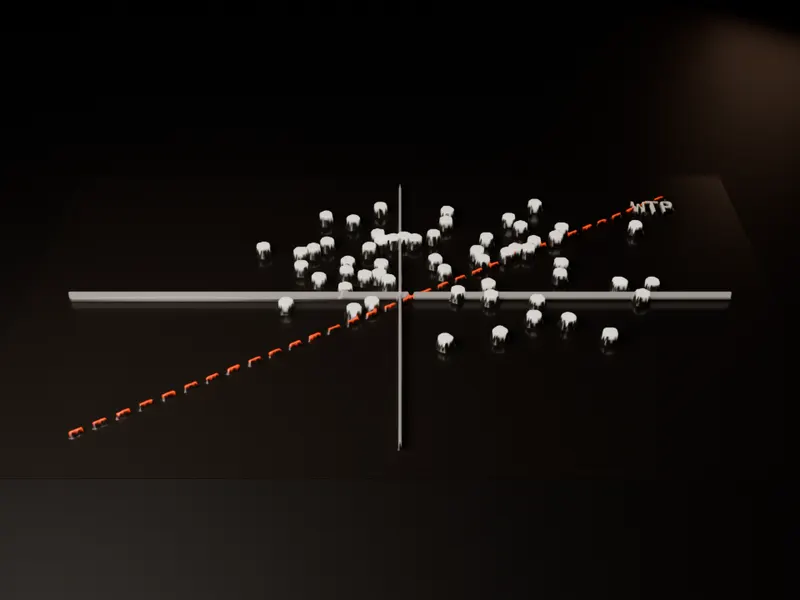
Compare Lu-177-PSMA therapy with standard treatments using a literature-parameterized CEA model (QALY and ICER). Survival inputs are inspired by VISION and TheraP; costs and utilities are configurable and should be adapted to local data. Method note: Includes Weibull survival modeling, region presets, and probabilistic sensitivity analysis (PSA; Monte Carlo, 10,000 iterations by default).
Treatment Comparison Setup
ICER Analysis
Methods & Sources (Summary)
MODEL NOTES
- Perspective: Healthcare system (default). Region presets are illustrative—replace with local reimbursement/formulary data for real decisions.
- Survival: Parametric Weibull-style modeling inspired by VISION / TheraP trial publications.
- Uncertainty: Probabilistic Sensitivity Analysis (PSA) via Monte Carlo sampling (default 10,000 iterations). “PSA” here means sensitivity analysis, not prostate-specific antigen.
- Utilities: QALY utilities are assumptions unless cited for your target population and setting.
Key references (starting points)
- TheraP secondary outcomes (Lancet Oncology, 2023): PMID 38043558
- Example Lu-177-PSMA-617 cost-utility analysis (Germany, 2025): PMCID PMC12491114
- ISPOR-SMDM good practices on parameter uncertainty / PSA: PMID 22990087
If you need a defensible “validated” claim, it must be tied to a specific published CEA/HTA with matching structure + parameters + outputs.