Consensus Treatment Pathways
NCCN/EAU algorithms
Research/educational use only. No patient data. Not for clinical decision-making.
- 01Select
- 02Stage & risk
- 03Plan & dose
- 04Predict
- 05Simulate
- 06Evidence
Consensus Treatment Pathways
Advanced treatment selection incorporating NCCN v2.2024, RECIST 1.1, PWG3, genomic biomarkers, and latest clinical trial evidence.
Evidence Update: Incorporates PSMAfore (2025), TheraP (2024), PROpel (2024), and genomic-guided therapy recommendations. Treatment selection now includes patient preferences, QoL considerations, and genomic integration.
Clinical Stage & Patient Characteristics
Evidence-Based 2024Evidence-Based Algorithm Methodology
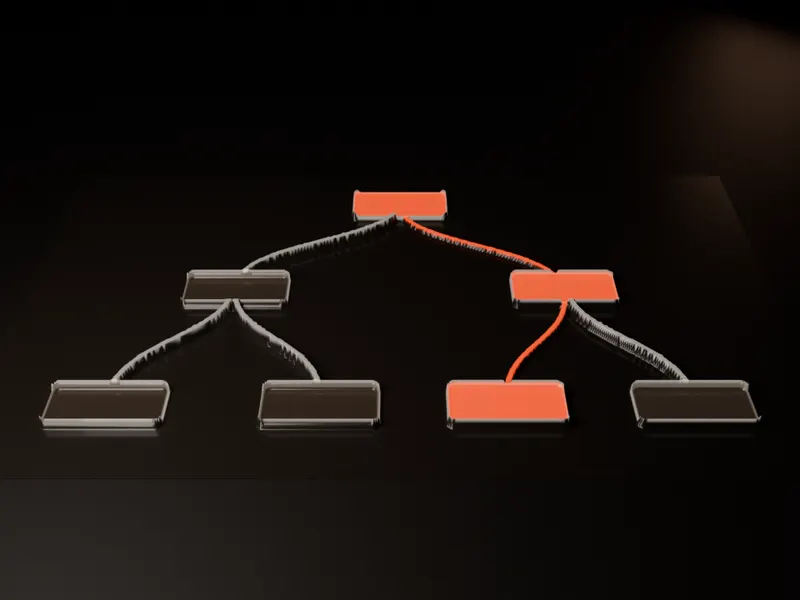
Treatment Selection Algorithm
- • Patient Fit Score (0-100%): Combines organ function, ECOG, genomic profile, and preferences
- • Evidence anchoring: trial medians/HRs are displayed as context (Phase 3 when available)
- • Sequencing Logic: Considers cross-resistance, prior responses, and genomic evolution
- • QoL context: trial-reported QoL/pain endpoints are displayed as context (not individualized prediction)
Key Evidence Updates (2024-2025)
- - PSMAfore: Lu-177-PSMA in taxane-naïve mCRPC (rPFS HR ~0.41–0.49)
- - TheraP: Lu-177-PSMA vs cabazitaxel (66% vs 37% PSA50)
- - PROpel: Olaparib + abiraterone (rPFS HR 0.66, ITT; larger benefit in BRCA/DDR subgroups)
- - LuPARP: PARPi + Lu-177-PSMA (early phase; PSA50 rate not robustly published)
Algorithm Validation & Restrictions
Evidence basis: rules are derived from published guidelines/trials and expert consensus; not clinically validated on an external patient dataset.
Use: decision support for fast triage and discussion; not a substitute for MDT judgment.
Restrictions: Not for use in NEPC, non-metastatic disease, or investigational settings only
Update Frequency: Quarterly incorporation of new trial results and guidelines
Key References & Evidence Base
NCCN Guidelines v2.2024
National Comprehensive Cancer Network Prostate Cancer Guidelines
→ View GuidelinesRECIST 1.1 Response Criteria
Eisenhauer et al. (2009) Eur J Cancer 45:228-247.
DOI: 10.1016/j.ejca.2008.10.026PWG3 Bone Progression Criteria
Scher et al. (2016) J Clin Oncol 34:1402-1418.
DOI: 10.1200/JCO.2015.65.4704Recent Trial Evidence (2024-2025)
• PSMAfore: Fizazi K et al. (2025) Annals of Oncology - Lu-177-PSMA in taxane-naïve mCRPC (rPFS)
• TheraP: Hofman MS et al. (2024) - Lu-177-PSMA vs cabazitaxel
• PROpel: Olaparib + abiraterone (rPFS HR 0.66; OS HR 0.81; ITT; see primary PROpel publication)
• LuPARP: early-phase PARPi + Lu-177-PSMA combination studies (PSA50 rate not robustly published)
Historical Landmark Trials
• VISION: Sartor O et al. (2021) NEJM 385:1091-1103
• ARASENS: Smith MR et al. (2022) NEJM 386:1132-1142
• CARD: de Wit R et al. (2019) Lancet 394:1814-1824
• STAMPEDE: James ND et al. (2016) Lancet 387:1163-1177
Quality of Life Evidence
• VISION QoL analysis: Fizazi K et al. (2023) Lancet Oncology - FACT-P and BPI-SF time-to-deterioration
• Lim Fat G et al. (2025) - ARPI tolerability in elderly
• Hofman MS et al. (2023) - TheraP QoL outcomes
Genomic & Biomarker Evidence
• Cheng HH et al. (2015) - ARPI cross-resistance
• Kwon W-A et al. (2025) - PARPi sequencing implications
• Ofner H et al. (2025) - High-risk genomic profiles
• Luo J. (2016) - AR-V7 and treatment selection
Algorithm Validation & Methodology
Validation: not clinically validated on an external patient cohort (evidence-based rules + disclaimers).
Evidence anchoring: prioritizes Phase 3 trial anchors when available; otherwise uses guideline/review evidence and explicit disclaimers.
Update Frequency: Quarterly incorporation of new evidence
Restrictions: Not for NEPC, non-metastatic disease, or investigational use only
Disclosure: For educational purposes. Clinical decisions require physician judgment.
Clinical Decision Support Tool
This tool provides evidence-based recommendations but does not replace clinical judgment. All recommendations should be reviewed by a qualified oncologist and discussed with the patient. Consider patient preferences, comorbidities, and individual circumstances in final treatment decisions.